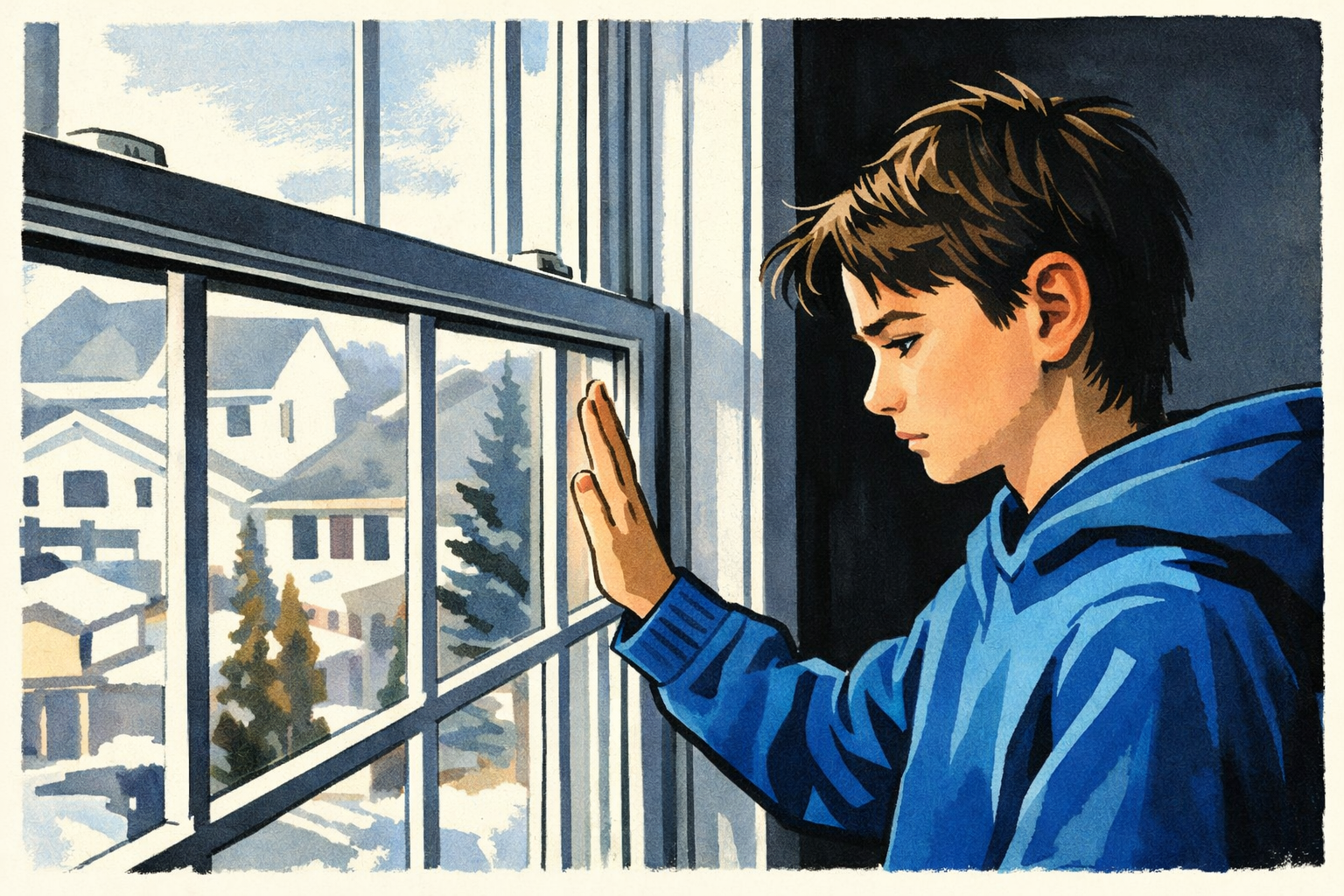
Teen burnout is more than occasional stress or moodiness. It is a state of emotional, mental, and physical exhaustion caused by prolonged pressure. Fathers often notice changes first in behavior, energy, or attitude. Recognizing what drives burnout and how it affects long-term health can help parents respond early and effectively.
Common Causes of Teen Burnout
Academic pressure remains one of the leading contributors. Heavy homework loads, advanced placement classes, competitive sports, and college preparation can create constant performance anxiety. Students in highly competitive environments, including some private schools, may feel intense pressure to maintain grades and extracurricular involvement.
Social expectations also play a role. Teens manage friendships, social media presence, and part-time jobs while still developing coping skills. Many hesitate to admit they feel overwhelmed because they fear disappointing parents or coaches.
Sleep deprivation adds another layer. Late nights spent studying or scrolling online reduce recovery time, making stress harder to manage.
Warning Signs to Watch For
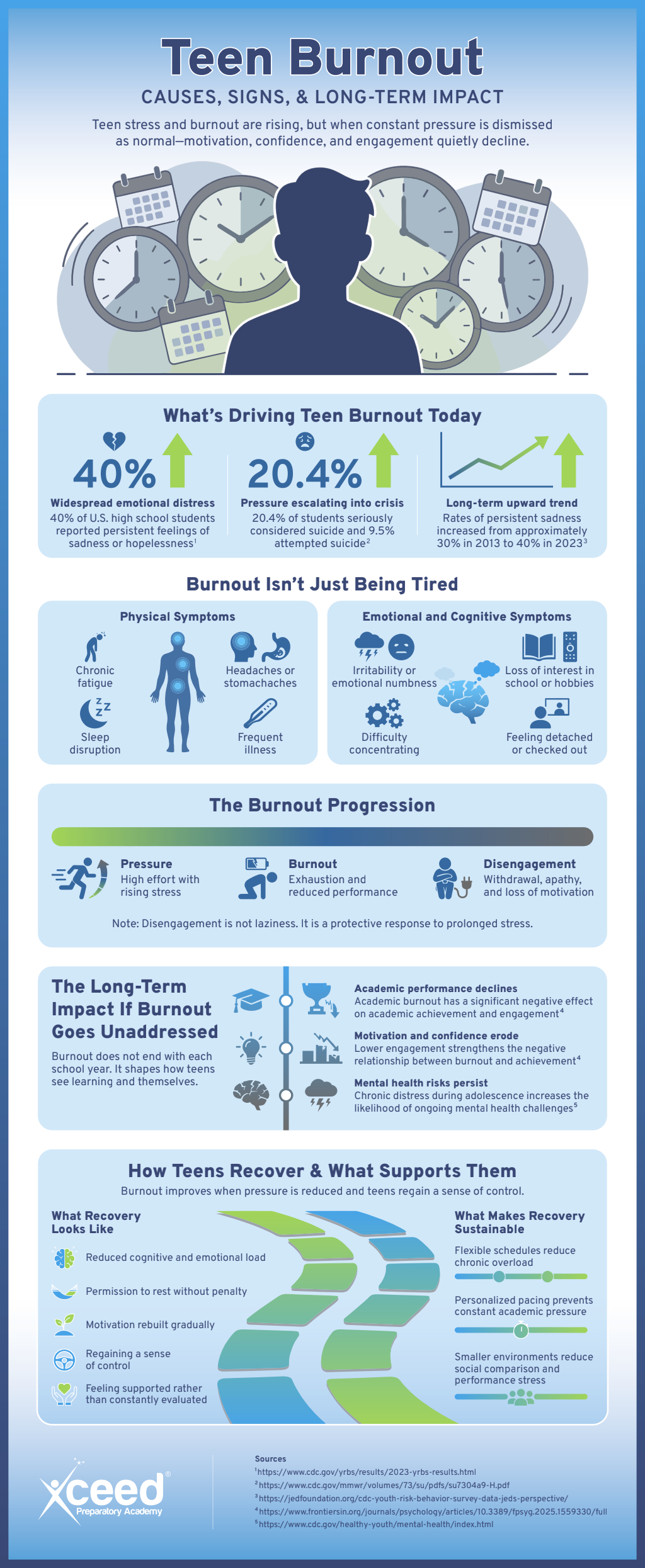
Burnout often appears gradually. Irritability, withdrawal from family activities, and a drop in academic performance are common signals. Teens may complain of headaches, stomach pain, or frequent fatigue without a clear medical cause.
Loss of interest in hobbies that once brought enjoyment can signal emotional exhaustion. A teen who once loved sports or music may suddenly quit or show little enthusiasm. Increased procrastination or perfectionism can also point to underlying stress.
Fathers may also notice changes in sleep patterns or appetite. These shifts suggest that stress is affecting both mental and physical health.
Long-Term Impact on Health and Motivation
If left unaddressed, burnout can contribute to anxiety disorders, depression, and chronic stress responses. Prolonged stress may alter sleep cycles and reduce concentration, affecting academic confidence and future goal setting.
Teens who experience sustained burnout may develop negative beliefs about achievement. Instead of viewing effort as growth, they may associate hard work with exhaustion and failure. This mindset can follow them into college and early careers.
Open communication remains one of the strongest protective factors. Consistent check-ins, realistic expectations, and encouragement to rest support resilience. Fathers who model balance between work and recovery send a powerful message about sustainable success.
Burnout is not a sign of weakness. It reflects a system under strain. Early recognition and steady parental support can help teens regain energy, rebuild confidence, and develop healthier coping habits that carry into adulthood. Check out the infographic below for more information.

Leave a Reply