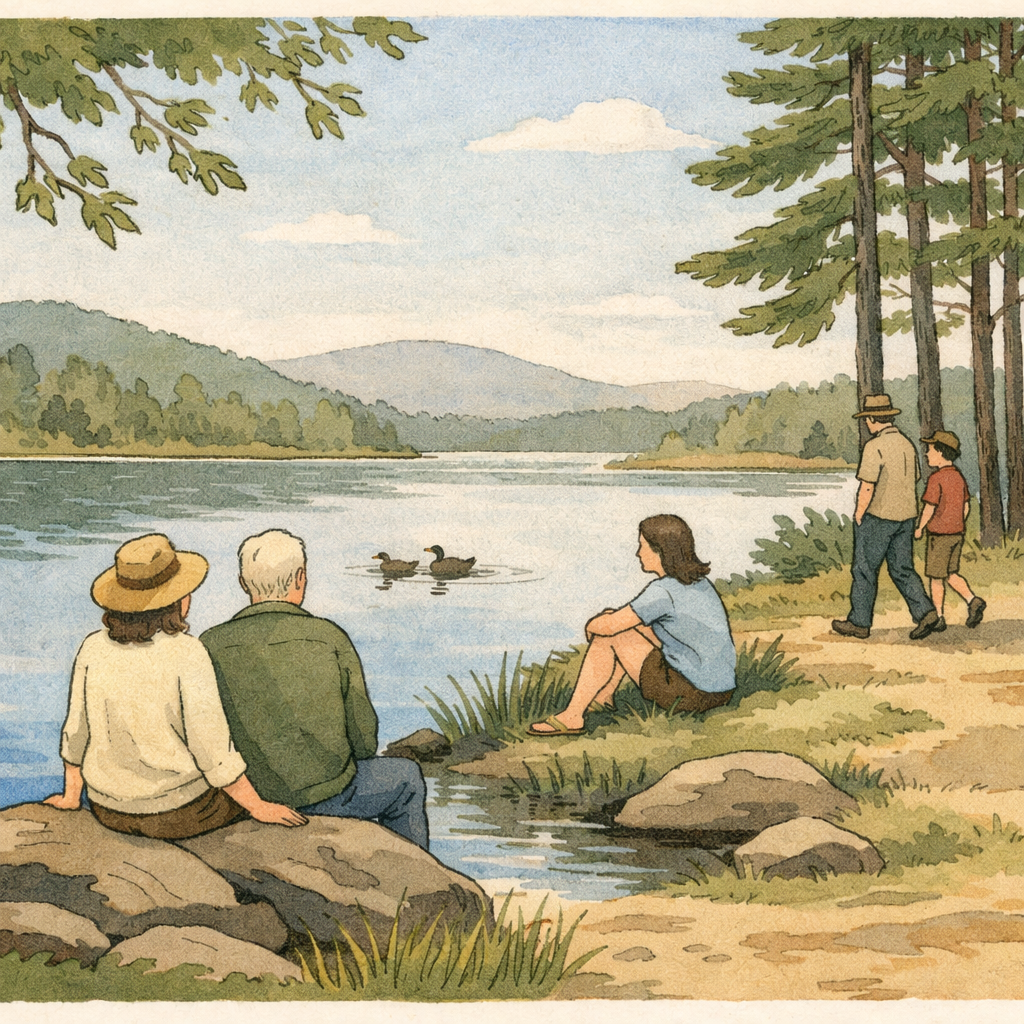
Screens fill much of daily life, from work tasks to entertainment and communication. While technology offers convenience, constant connection can crowd out time for rest and reflection. Stepping away from devices and spending time outdoors supports physical health, mental clarity, and a stronger daily balance. Small changes make outdoor time more accessible than many people expect.
Start With Short Outdoor Breaks
Unplugging does not require a full day away from technology. Brief outdoor breaks during the day help reset focus and reduce screen fatigue. A walk around the block, time on the porch, or a few minutes in a nearby green space provides fresh air and movement without disrupting routines.
Leaving phones inside during these moments helps create a clearer mental pause. Even ten minutes outdoors can improve mood and concentration.
Build Outdoor Time Into Daily Routines
Linking outdoor activities to existing habits makes unplugging easier to maintain. Morning coffee outside, after-dinner walks, or weekend yard projects create regular opportunities to disconnect from screens. These moments become part of the daily rhythm rather than extra tasks.
Families may enjoy shared outdoor meals or evening games that replace screen-based downtime. Consistency matters more than duration.
Explore Nature With Purpose
Purposeful activities encourage deeper engagement with outdoor environments. Gardening, hiking, and local trail exploration offer both movement and focus. Activities that involve observation also support mindfulness.
Some people enjoy birdwatching trips as a way to slow down and pay attention to their surroundings. Listening for calls, noticing movement, and identifying species shifts attention away from devices and toward the present moment.
Choose Tech-Free Zones and Times
Setting boundaries supports lasting change. Designating certain times or spaces as device-free helps protect outdoor experiences from interruption. Parks, beaches, and backyards naturally lend themselves to this approach.
Clear boundaries reduce the urge to check notifications and allow the nervous system to settle. Over time, these breaks become easier and more rewarding.
Dress and Plan for Comfort
Outdoor time feels more inviting when comfort is considered. Appropriate clothing, sun protection, and hydration remove common barriers. Planning simple activities rather than ambitious outings keeps expectations realistic.
Unplugging and going outdoors does not require major lifestyle changes. Small, consistent steps support better balance and restore attention. By creating space for nature and movement, households gain moments of calm that carry into everyday life long after returning indoors. Look over the infographic below to learn more.

