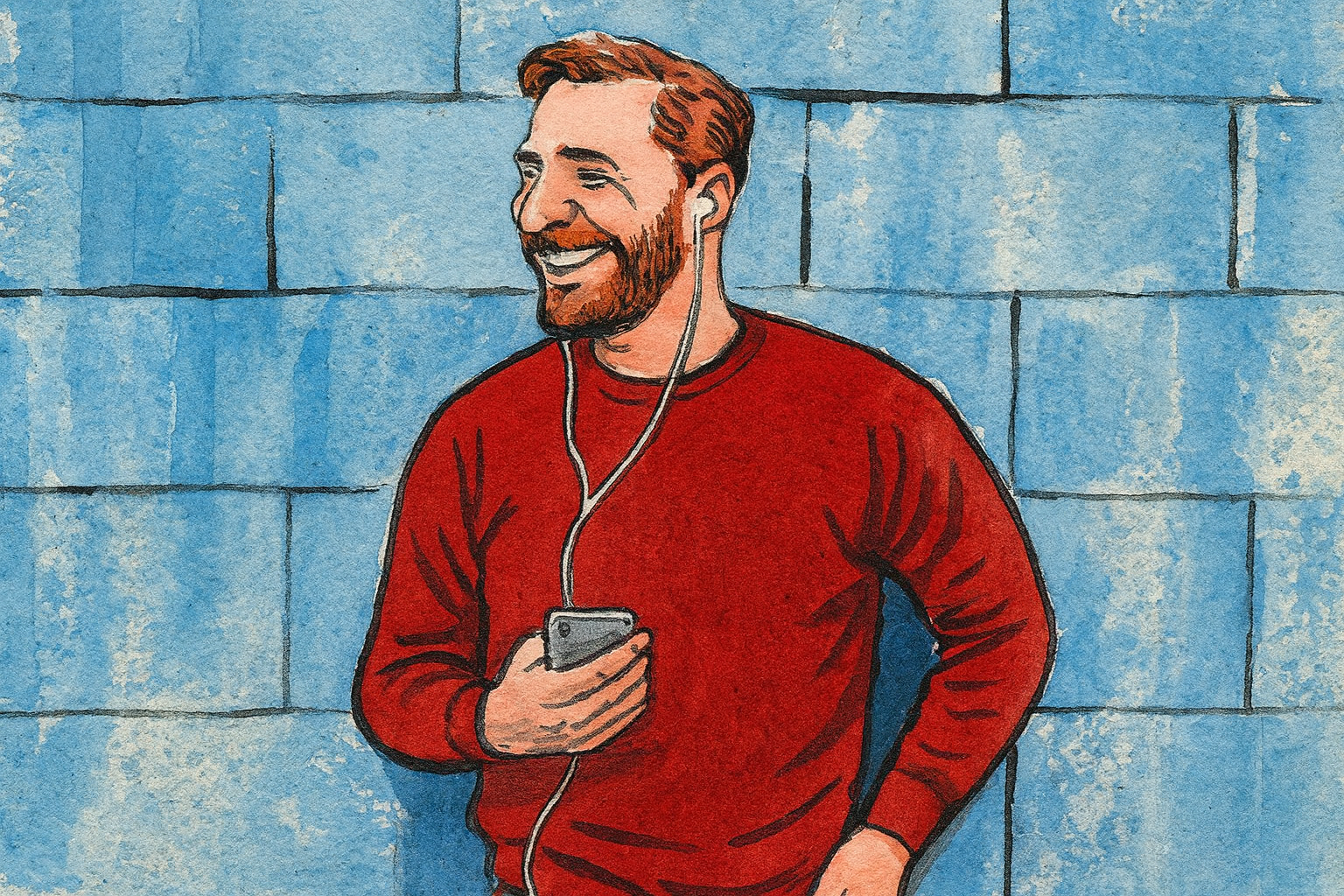
A few months back, one of my buddies mentioned he’d finally started a skin-care routine. Nothing complicated. Just a basic cleanser, a solid moisturizer with SPF, and some eye cream he picked up after reading a GQ piece on the best men’s grooming products. I didn’t think much of it at the time, but the next time I saw him, something was different. He wasn’t dressed any differently, hadn’t lost weight or hit the gym. He just looked more put together. More confident. Like he was standing a little straighter without even realizing it.
It got me thinking about confidence. Not the loud, performative kind you see on LinkedIn posts or in a certain brand of podcast that promotes “alpha energy” like it’s a cologne. I mean the quiet, internal sense of self that lets you walk into a room and not immediately shrink under the gaze of everyone else. And more specifically, what it looks like when men try to build confidence in a world that hasn’t taught them how.
The internet is full of advice for men on this subject. You can watch YouTube tutorials on mastering eye contact, listen to TED Talks about power poses, and find Reddit threads that dissect every possible mistake you might make in a conversation. But none of it seems to get at the quieter traps that actually keep you stuck: the self-sabotage, the quiet habits, the deeply human impulse to protect yourself from vulnerability by not trying at all.
If you’re reading this and wondering why you still feel unsure of yourself, even after you’ve read the books and watched the videos and maybe even upgraded your wardrobe (yes, wear what you want, but wear it like you mean it), it might be because you’re making some very normal, very human mistakes. And before you get defensive—because I know the temptation—I want you to know this: You’re not alone. You’re not broken. And this isn’t about blaming. It’s about noticing.
So let’s talk about what might be holding you back.
1. You’re Constantly Comparing Yourself (and Social Media Isn’t Helping)
Let me state the obvious: we’re all addicted to social media. But men, especially, are being crushed under a particular kind of content right now—the “rise and grind” influencers telling you to wake up at 4 a.m., eat raw liver, and make seven figures before lunch. You scroll through these feeds and start to feel like you’re already behind on a life you didn’t even want.
It’s not just the influencers. It’s the old college friends with the stock options and Pelotons, the neighbors who somehow always look put-together while pushing their toddler in a $1,200 stroller. You tell yourself you’re just “checking in” or “getting inspired,” but let’s be honest: It’s a self-esteem booby trap disguised as productivity.
The worst part? You’re comparing your insides to everyone else’s curated outsides. You don’t see the anxiety, the debt, the sleepless nights. You see a snapshot. And if that snapshot makes you feel smaller, it’s not because you’re lacking—it’s because the game was rigged from the moment you opened the app.
Here’s the question to ask: After I spend time online, do I feel more like myself… or less?
2. You’re Letting Fear Drive the Car
Fear is sneaky. It doesn’t show up wearing a cape and twirling a villainous mustache. It shows up as “maybe I’ll do that later,” or “I just need to research a little more,” or my personal favorite: “I’m not ready yet.”
The problem with fear is that it makes a very compelling case for safety. It wants you to stay where you are. It tells you that the discomfort of trying and failing will feel worse than the shame of never trying at all. And you believe it—because fear is persuasive, and because shame is so subtle you might not even realize you’re carrying it.
Confidence, though, doesn’t grow in safety. It grows in motion. It grows when you apply for the job, even though you’re not 100% qualified. It grows when you speak up in the meeting, even if your voice shakes. It grows when you say, “I’d like to try,” and risk hearing, “No thanks.”
What would it look like to act, even with fear riding shotgun?
3. You’re Ignoring Your Body (and It’s Trying to Tell You Something)
This one feels obvious, but it’s the kind of obvious that gets overlooked because we think we’ve graduated from it. You know the drill: get enough sleep, move your body, eat something green occasionally. And yet… you’re still skipping lunch, scrolling through emails at midnight, and wondering why your brain feels like a fog machine.
Confidence is embodied. It doesn’t exist in a vacuum—it’s a byproduct of how you live. When your body feels strong, your mind follows. When you’re rested, hydrated, and showered, you feel more capable. And no, it’s not vain to care about how you look. If you’ve ever worn a perfectly broken-in jacket or used a face moisturizer that made your skin feel like silk, you know what I mean. These things aren’t frivolous—they’re cues to yourself that you matter.
If this sounds like a stretch, start small. Google the best men’s grooming products. Try a new scent. Buy the shoes you’ve been eyeing. You don’t have to go full Queer Eye overnight, but giving your body attention is not indulgent. It’s foundational.
4. Your Friends Might Be Making It Worse
Here’s something no one tells you when you’re trying to grow: sometimes the hardest part is outgrowing the people around you.
If your group chat is mostly jokes that punch down, if your bar nights end in hangovers and regret, if your closest friends mock you for going to therapy or trying something new—it’s worth asking why you’re still spending so much time with them.
That doesn’t mean cutting everyone out and becoming a hermit. But it might mean expanding your circle. Look for the people who cheer you on. The ones who let you be weird, or vulnerable, or deeply uncool. The ones who don’t make you feel like you have to apologize for trying.
And if you’ve been playing a role in your group for so long that you’ve forgotten who you actually are—this is your permission to stop. Wear what you want. Say what you mean. Try showing up as yourself, and notice who stays.
5. You’re Afraid of Being Wrong
A quick gut check: how do you react when you make a mistake? Do you get defensive? Withdraw? Find someone else to blame?
So many men I know have internalized the idea that being wrong equals being weak. That if you mess up, you’ve lost some kind of invisible game. But here’s the truth: confidence doesn’t come from being right all the time. It comes from being accountable when you’re not.
The most self-assured people I know are also the ones who can say, “I messed up. I’m sorry. I’ll try to do better.” There’s strength in that. There’s integrity. And it makes people trust you more, not less.
So the next time you screw up (because you will), resist the urge to run. Stay. Apologize. Learn something. And then try again.
The Slow Burn of Change
Here’s the part no one puts in the Instagram carousel: building confidence is boring. It’s not a glow-up montage. It’s not a five-step plan. It’s a thousand small choices made when no one’s watching—going for a walk instead of doom-scrolling, texting a friend back instead of ghosting, saying “I don’t know” in a room full of people who might expect you to.
It’s the slow, unglamorous work of becoming someone you respect.
The good news? You don’t have to do it perfectly. You don’t have to do it loudly. You just have to do it consistently.
So if you’ve been wondering why you still don’t feel “confident,” even though you’re trying—maybe the answer isn’t that you’re doing it wrong. Maybe the answer is that confidence isn’t a destination. It’s a practice.
And like all worthwhile practices, it starts with showing up.
Even if you’re scared. Even if you’re tired. Even if you’re still figuring out how to be the person you want to become.
Start there.
