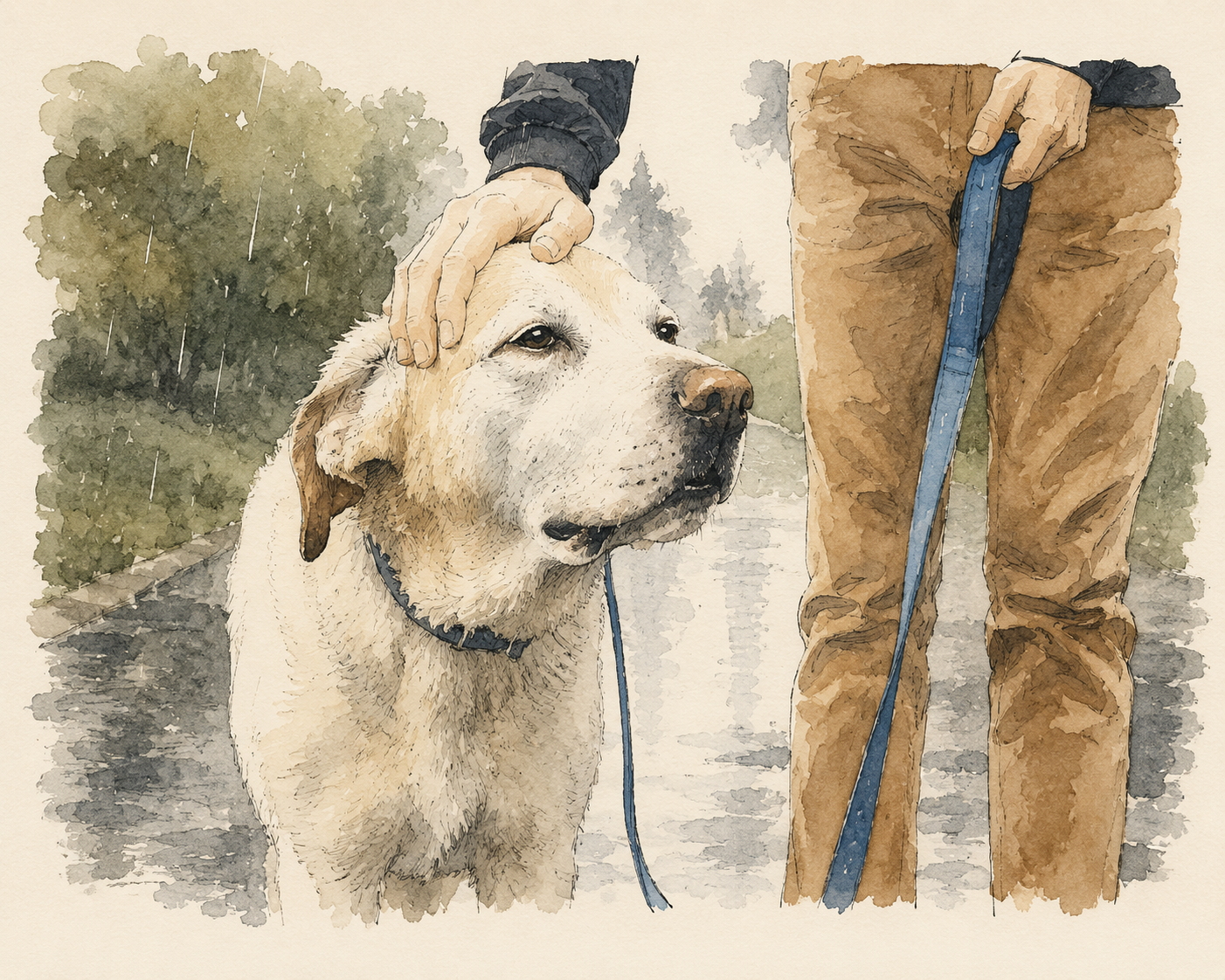
As dogs grow older, daily walks remain important for physical health, mental stimulation, and maintaining mobility. However, senior dogs often need additional attention after exercise. A simple post-walk routine can help you spot potential health concerns early and keep aging companions comfortable. Spending a few extra minutes after each walk can make a meaningful difference.
Check for Signs of Fatigue
Older dogs may tire more quickly than they did in their younger years. After returning home, observe how your dog moves and behaves. Excessive panting, difficulty standing, reluctance to climb stairs, or prolonged recovery times may indicate that the walk was too strenuous. While some tiredness is normal, ongoing fatigue should be discussed with a veterinarian.
Inspect Paws and Nails
Senior dogs can become more vulnerable to foot injuries because of age-related changes in mobility and balance. Take a moment to examine each paw after a walk. Look for cuts, cracks, debris, or signs of irritation between the toes. Check nails for damage and make sure they’re not excessively long. Overgrown nails can affect posture and increase joint stress.
Monitor Mobility and Joint Comfort
Joint stiffness is common in older dogs. Pay attention to how your dog moves immediately after the walk and later in the day. Difficulty getting up, limping, or hesitation when lying down may indicate discomfort. Keeping notes about mobility changes can help identify patterns and provide useful information during veterinary visits. Some owners discuss supplements, exercise plans, or CBD products for pets with their veterinarian as part of a broader wellness strategy.
Provide Hydration and Rest
Senior dogs may need more recovery time after physical activity. Fresh water should be available immediately after returning home, especially during warm weather. Create a quiet, comfortable area where your dog can rest without interruption. Proper hydration and relaxation support recovery and help regulate body temperature after exercise.
Watch for Changes Over Time
Aging happens gradually, making small changes easy to miss. Consistently observing your dog after walks can help identify developing concerns before they become serious. Changes in endurance, appetite, mood, or movement patterns may signal the need for a veterinary evaluation. Early attention often leads to better management of age-related conditions.
A simple post-walk checklist helps you stay connected to your dog’s changing needs. Small daily habits often play an important role in helping aging dogs remain active and happy. Look over the infographic to learn more.

