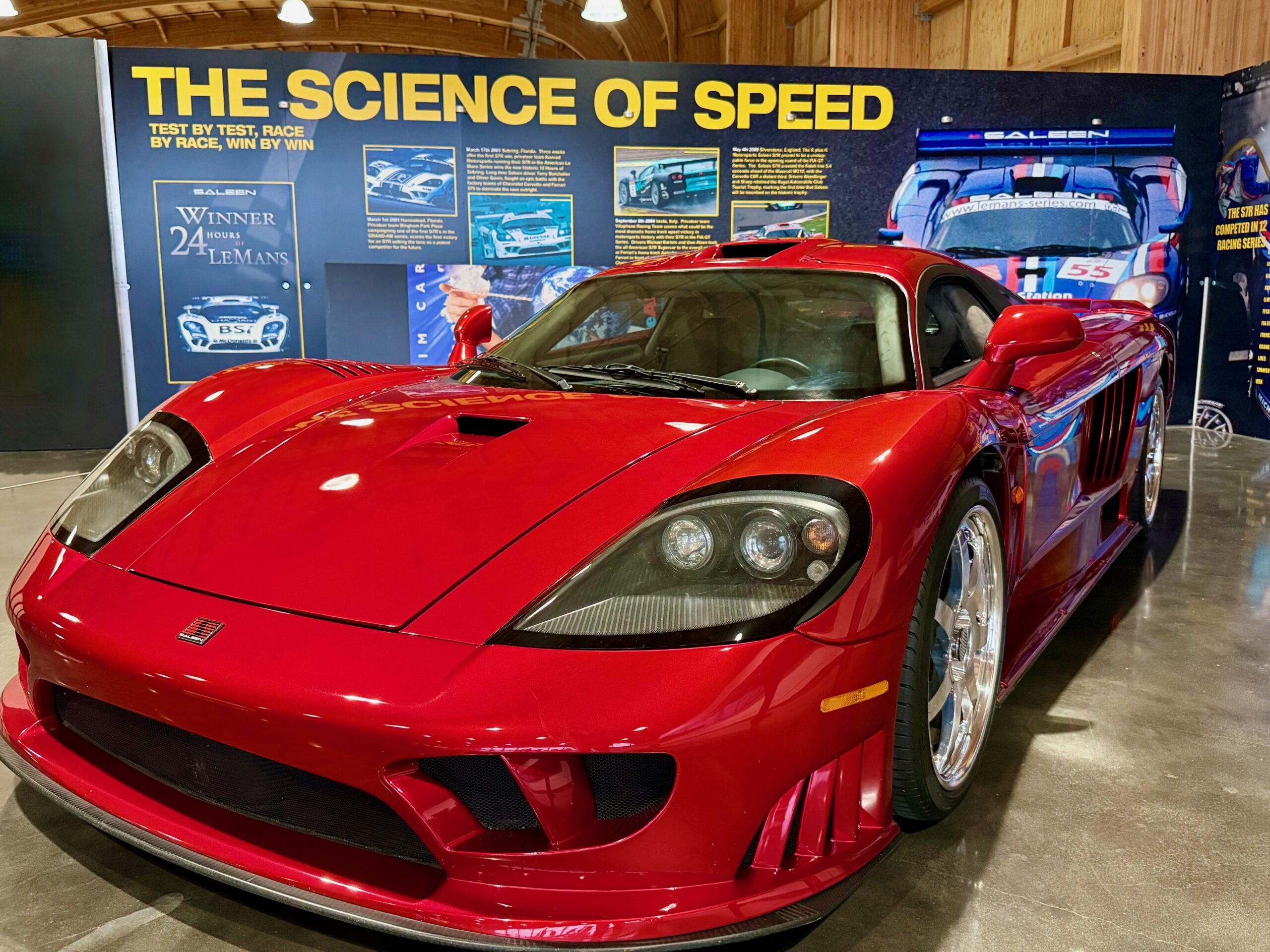
There is a moment, walking into the main gallery at LeMay – America’s Car Museum in Tacoma, where it hits you: the sheer audacity of it all. The gleaming hoods. The unapologetically oversized tailpipes. The way the light glints off a curve that looks like it was designed during a fever dream of speed and swagger. I was invited to a preview of the museum’s latest exhibition, “The Birth of the American Supercar,” and it was exactly the kind of sensory overload that wakes up your teenage brain and reminds you why people obsess over machines that can go 0 to 60 faster than it takes you to finish a sentence.
Now, let me preface this by saying I don’t have a sports car in my garage. My current ride is a 5-year-old Kia SUV that smells like crushed Goldfish crackers and cross-country cleats. But there’s something about watching a row of Shelby Cobras lined up like prom royalty or peering into the interior of a Saleen S7 that makes even the most practical parent consider, just for a second, a second mortgage.
Curated by none other than Steve Saleen (yes, that Steve Saleen) of Mustang and motorsport fame, the exhibit is a love letter to American ingenuity, bravado, and the need for speed. And it’s not subtle. The cars don’t whisper; they shout. They have names that sound like action heroes and bodywork that makes you instinctively pull out your phone. (Yes, I took photos. No, they do not do the cars justice.)
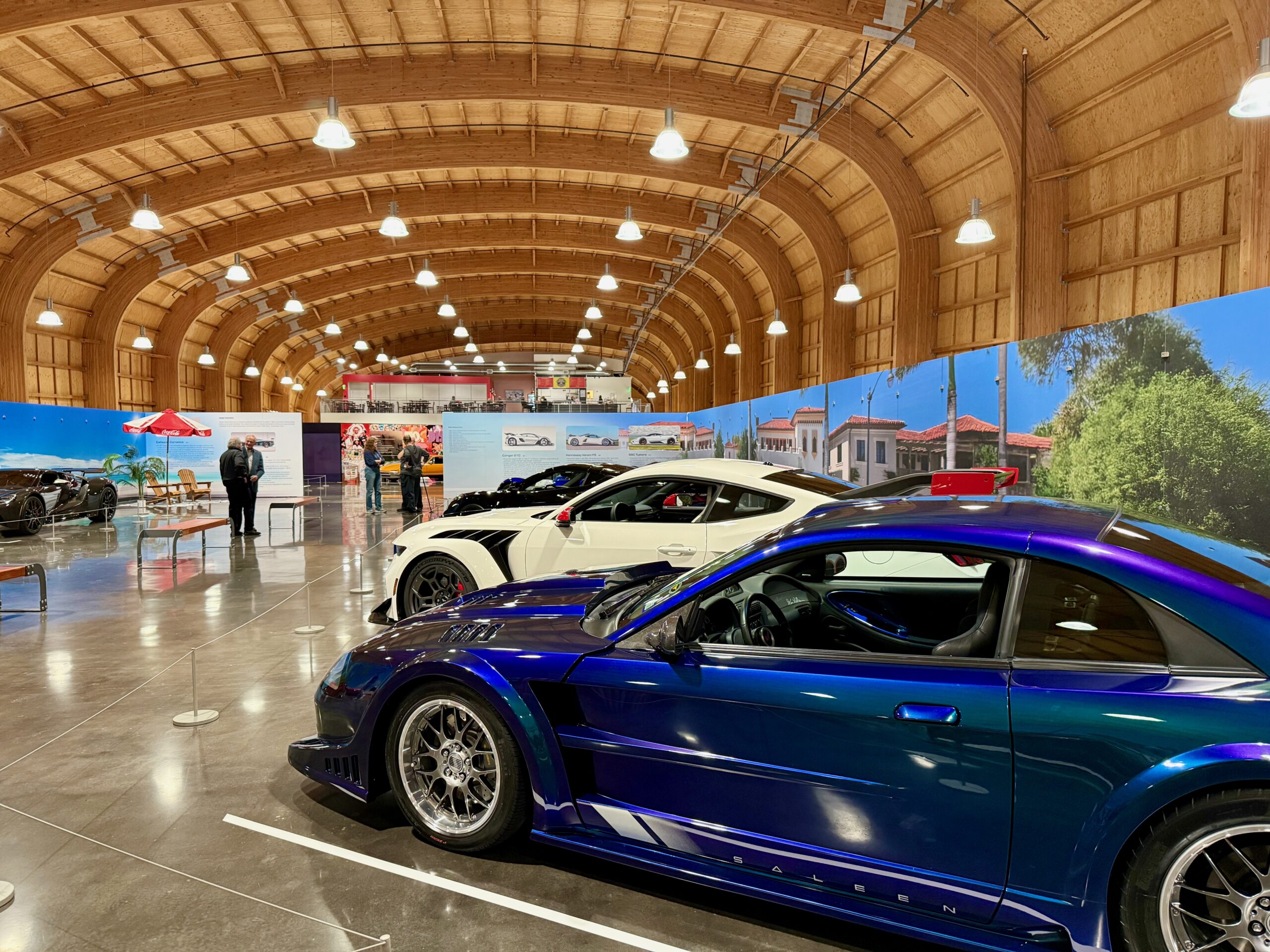
The recently opened exhibit, which runs through next fall, takes visitors on a chronological journey through the American supercar story. It begins with the dreamers and tinkerers, the small-batch builders and post-war engineers who decided that speed wasn’t just for the Europeans. There’s a Cunningham C3 that looks like it should be sipping a martini in Monaco and a Vector W8 that feels like it time-traveled straight out of an early ’90s video game. One part history lesson, one part wish fulfillment.
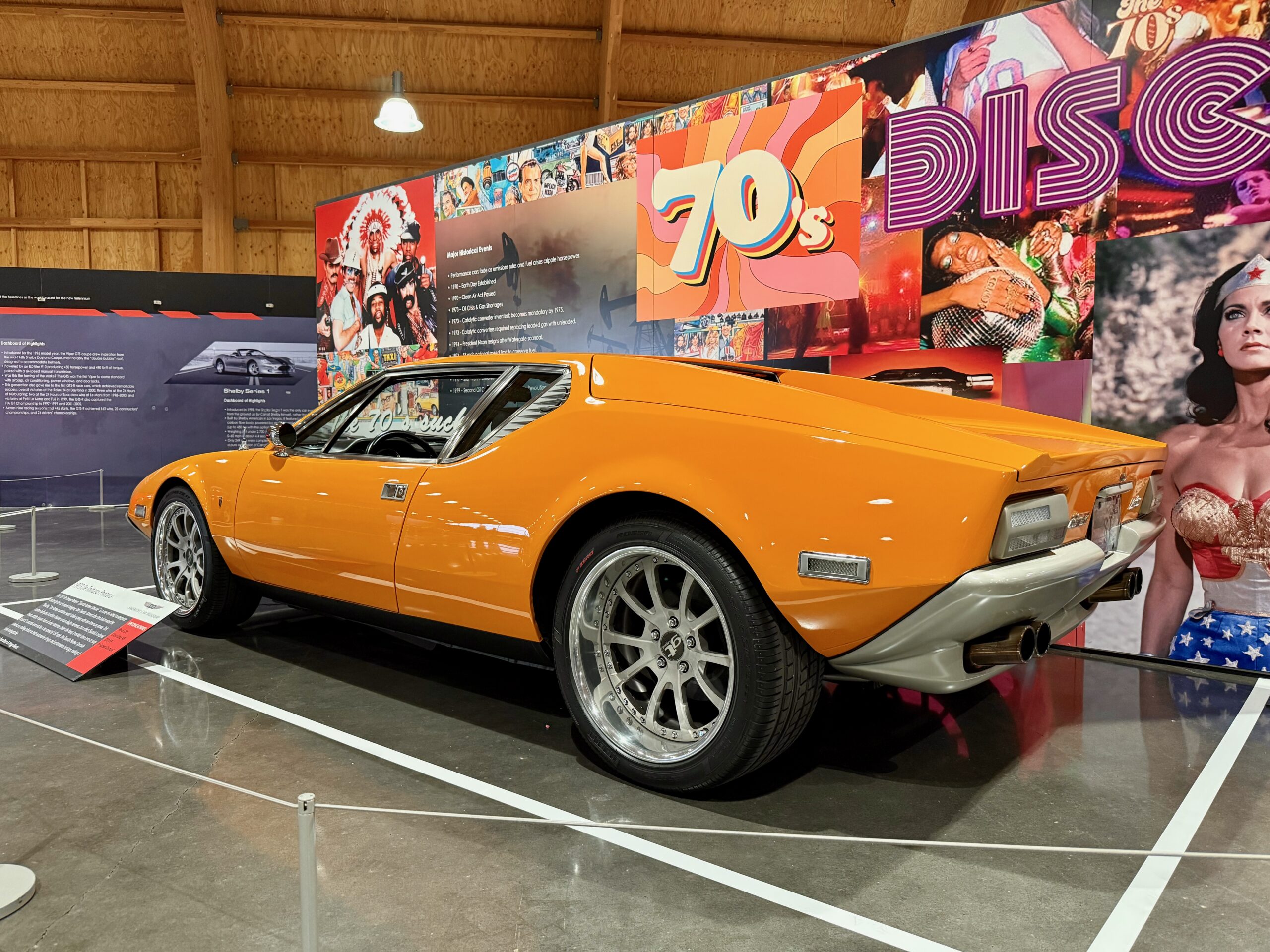
What surprised me the most was the exhibit’s range. Sure, you expect the big names: Ford, Chevy, Dodge. But there are lesser-known makes here too, like Hennessey and De Tomaso. These are not cars you casually encounter in the wild. They exist in posters, in YouTube clips, in the glimmer of your uncle’s half-remembered tall tale about “the time I drove a 700-horsepower beast through the Nevada desert.”
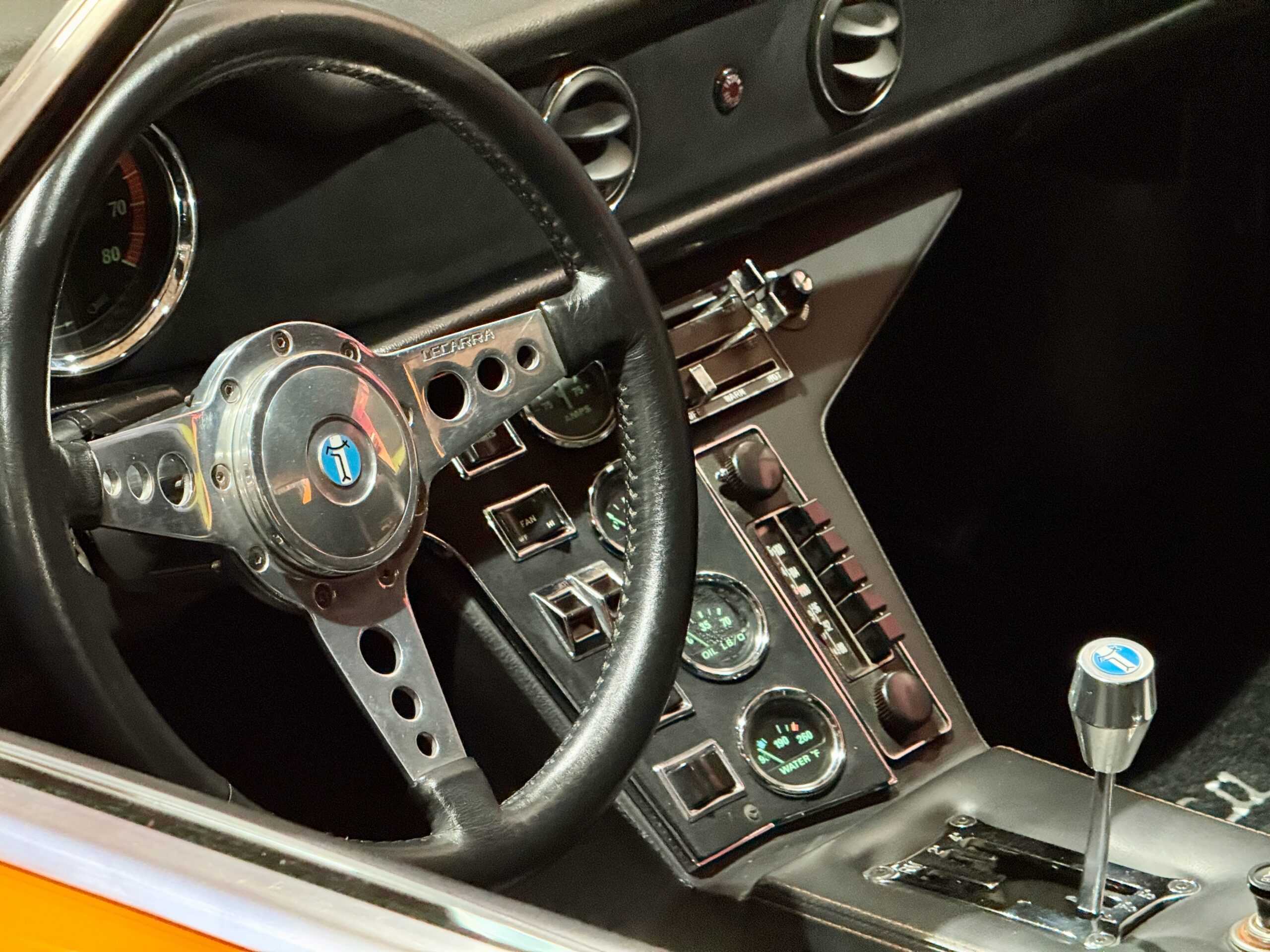
Saleen appears throughout the exhibit in quotes, videos, and signage that reads like snippets of an autobiography. His fingerprints are everywhere, especially on the Saleen S7, which still looks more spaceship than streetcar. The S7 is the kind of vehicle that feels like it shouldn’t exist outside a wind tunnel or a Bond movie. And yet here it is, quietly parked under dramatic lighting, radiating power and promise.
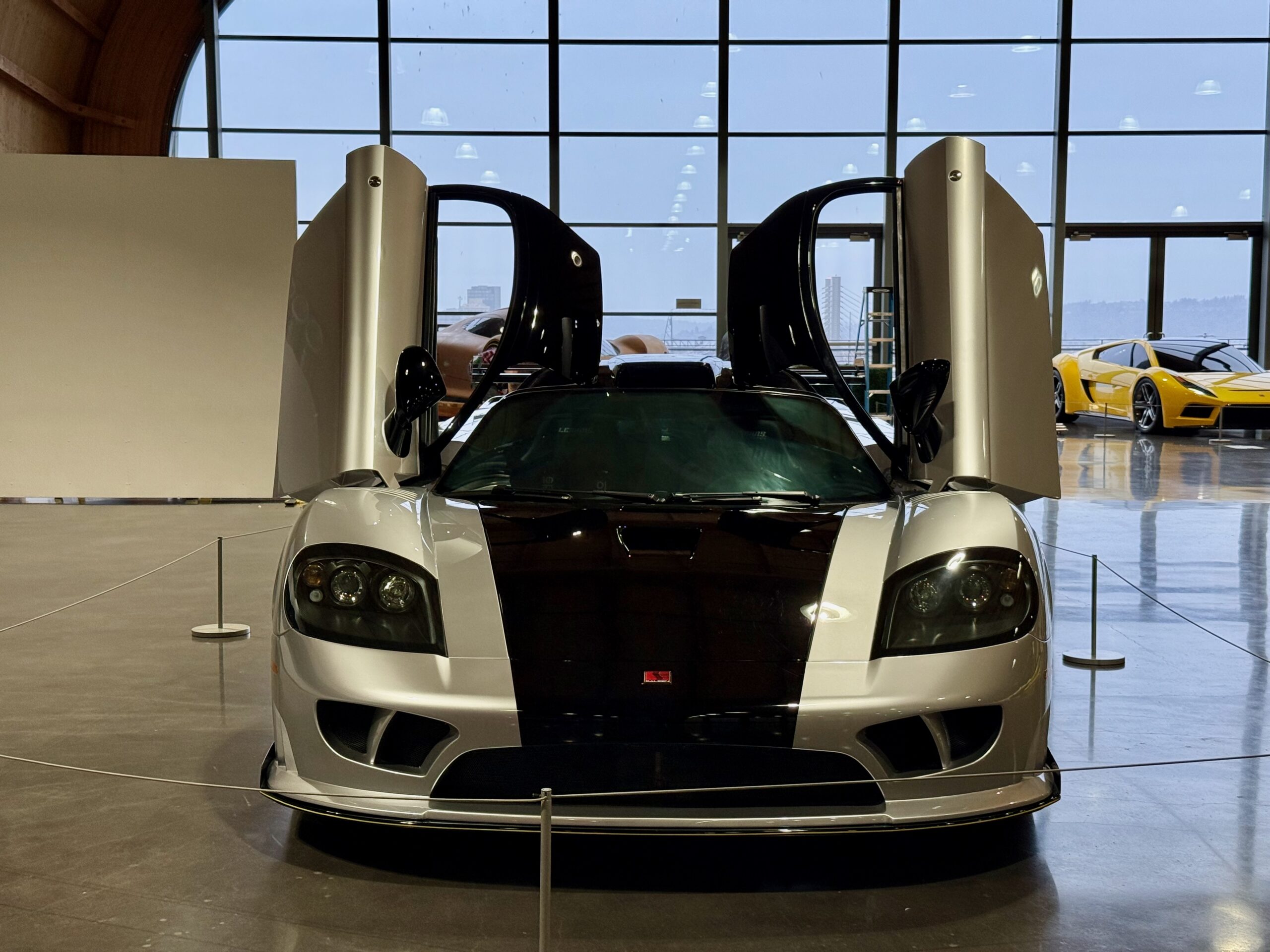
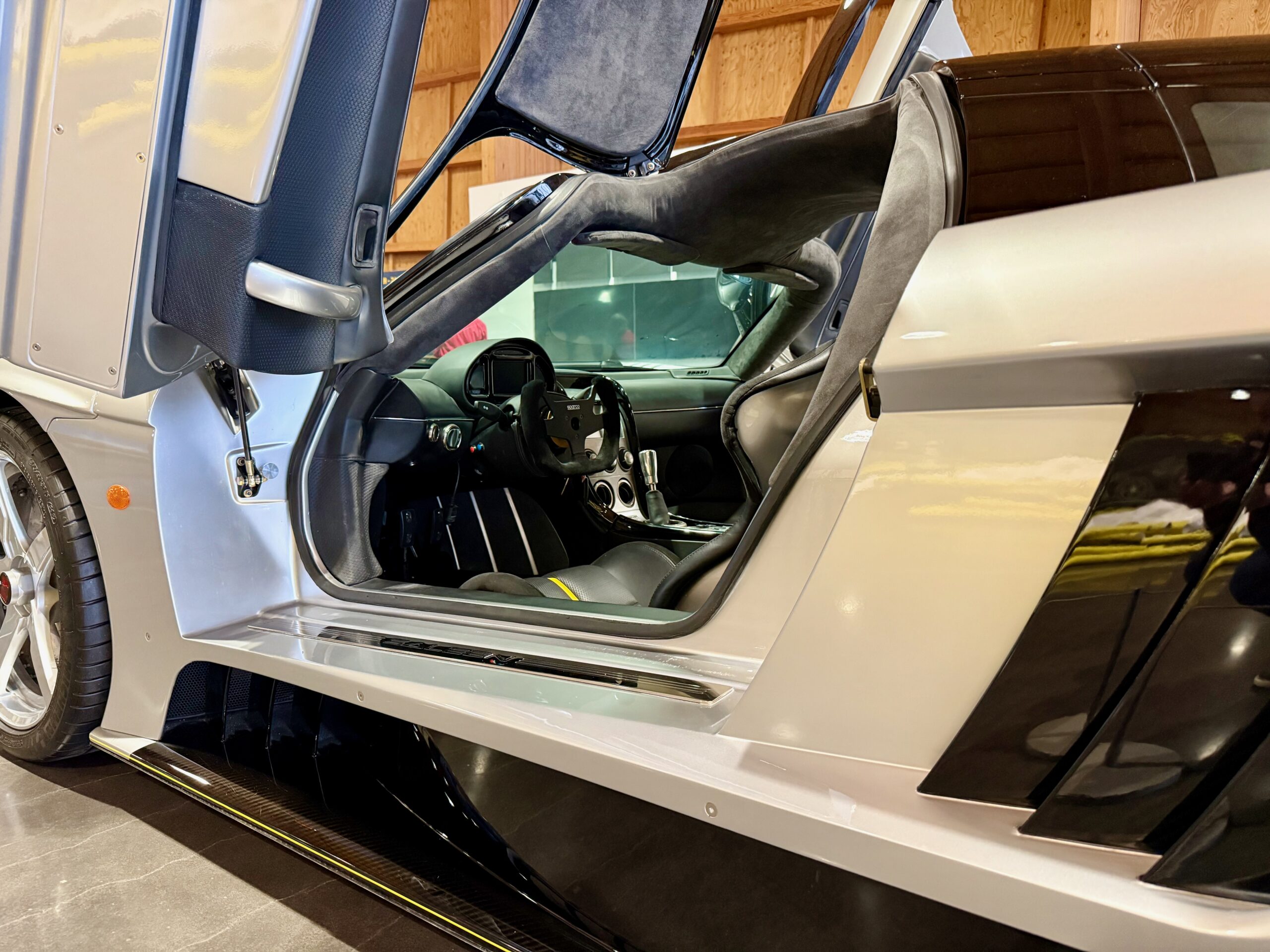
This being LeMay, the exhibit is more than a static display. Interactive stations let you hear what these cars sound like when they roar to life. There’s a build-your-own-supercar touchscreen game that had a small line of kids designing their dream machines with wild spoilers and lava-lamp paint jobs. It’s as educational as it is aspirational.
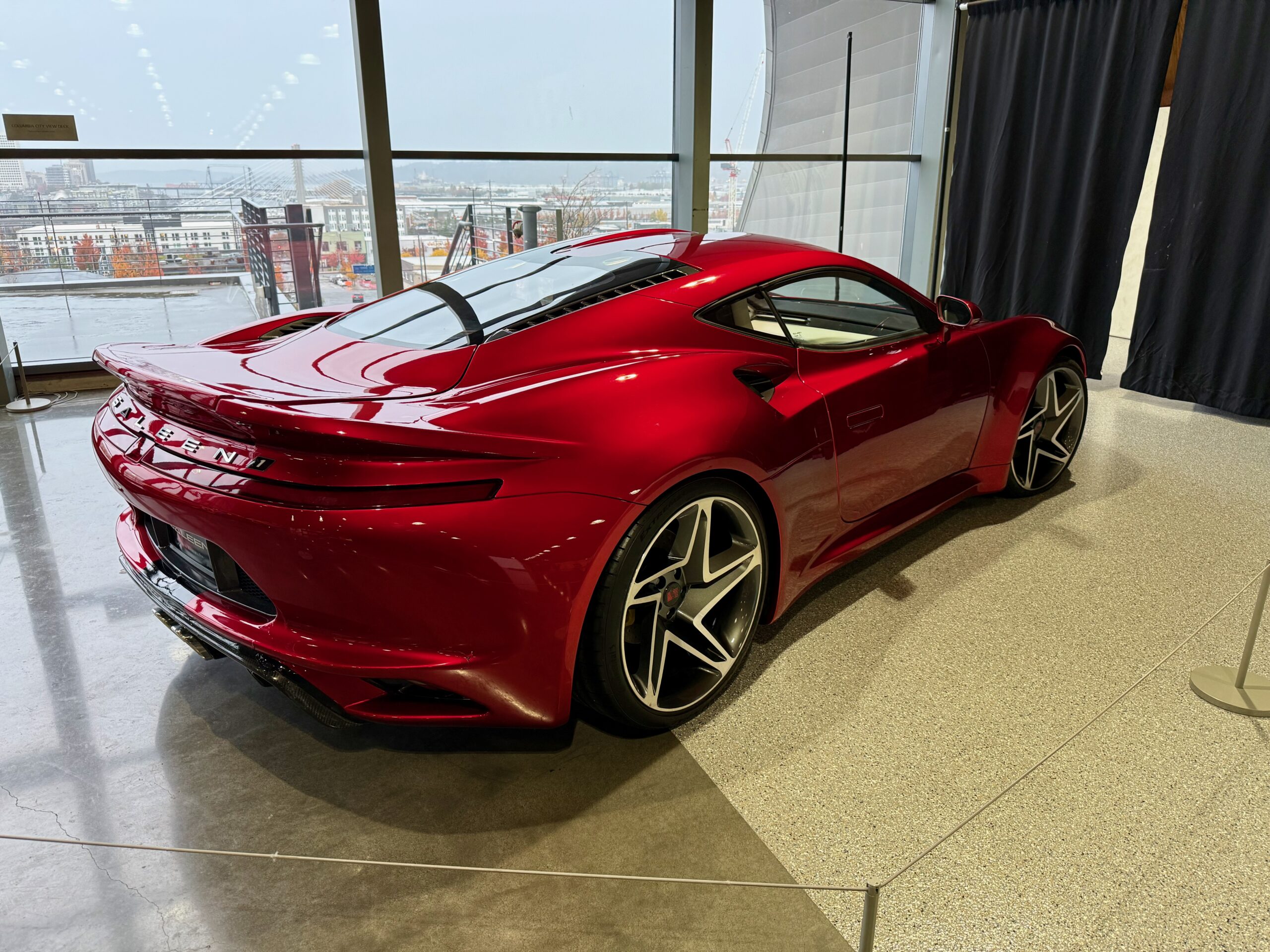
I brought my teenage son with me, half expecting him to spend the afternoon texting in corners. Instead, he lingered by a row of Dodge Vipers, practically vibrating with excitement. “This one looks like it could breathe fire,” he said, with genuine awe. That’s the thing about supercars. They speak to something primal. They’re not about efficiency or utility. They’re about freedom and excess, about dreaming bigger than your driveway.
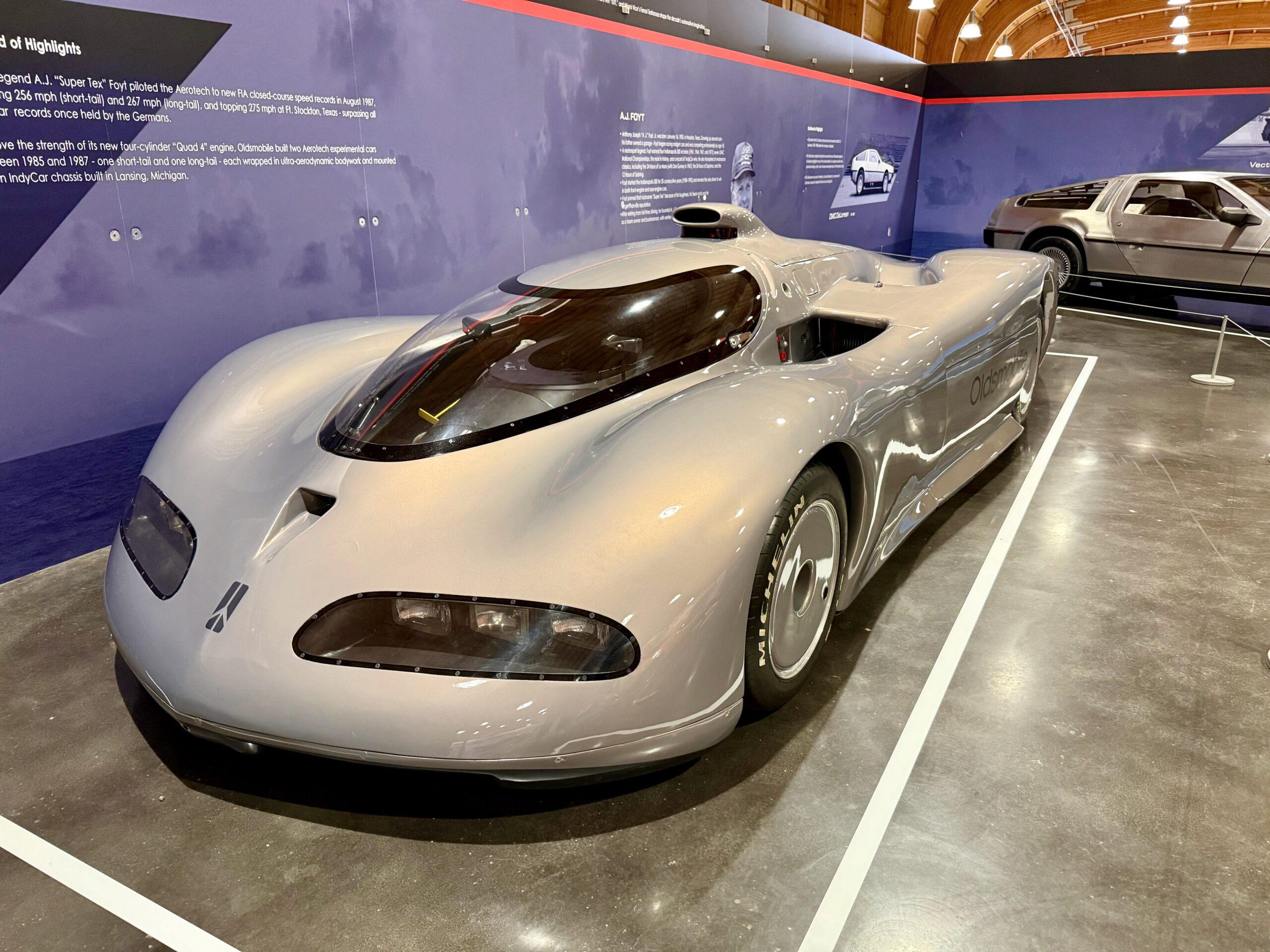
The exhibit will evolve over the next year with seasonal refreshes, so even if you go once, there’s a reason to come back. This feels especially relevant for local families looking for an indoor activity that isn’t a trampoline park. The museum also layers in thoughtful educational content, connecting the supercar story to broader themes of innovation, design, and even environmental shifts in automotive thinking. There’s a section about how carbon-fiber construction evolved from aerospace technology, and how that innovation trickled down to cars you might actually see on the road. It turns out, you can learn something while gawking at a $1 million engine block.
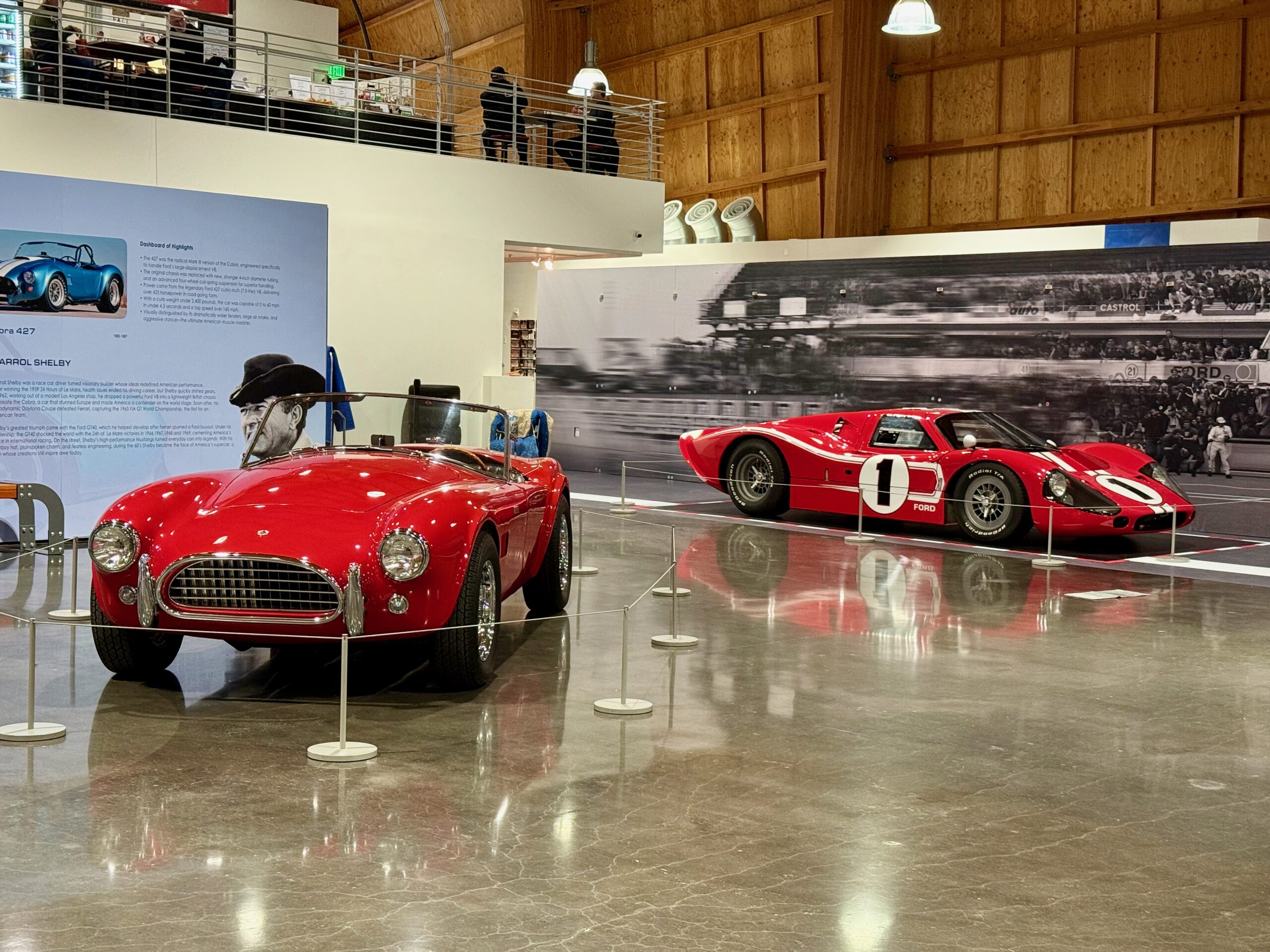
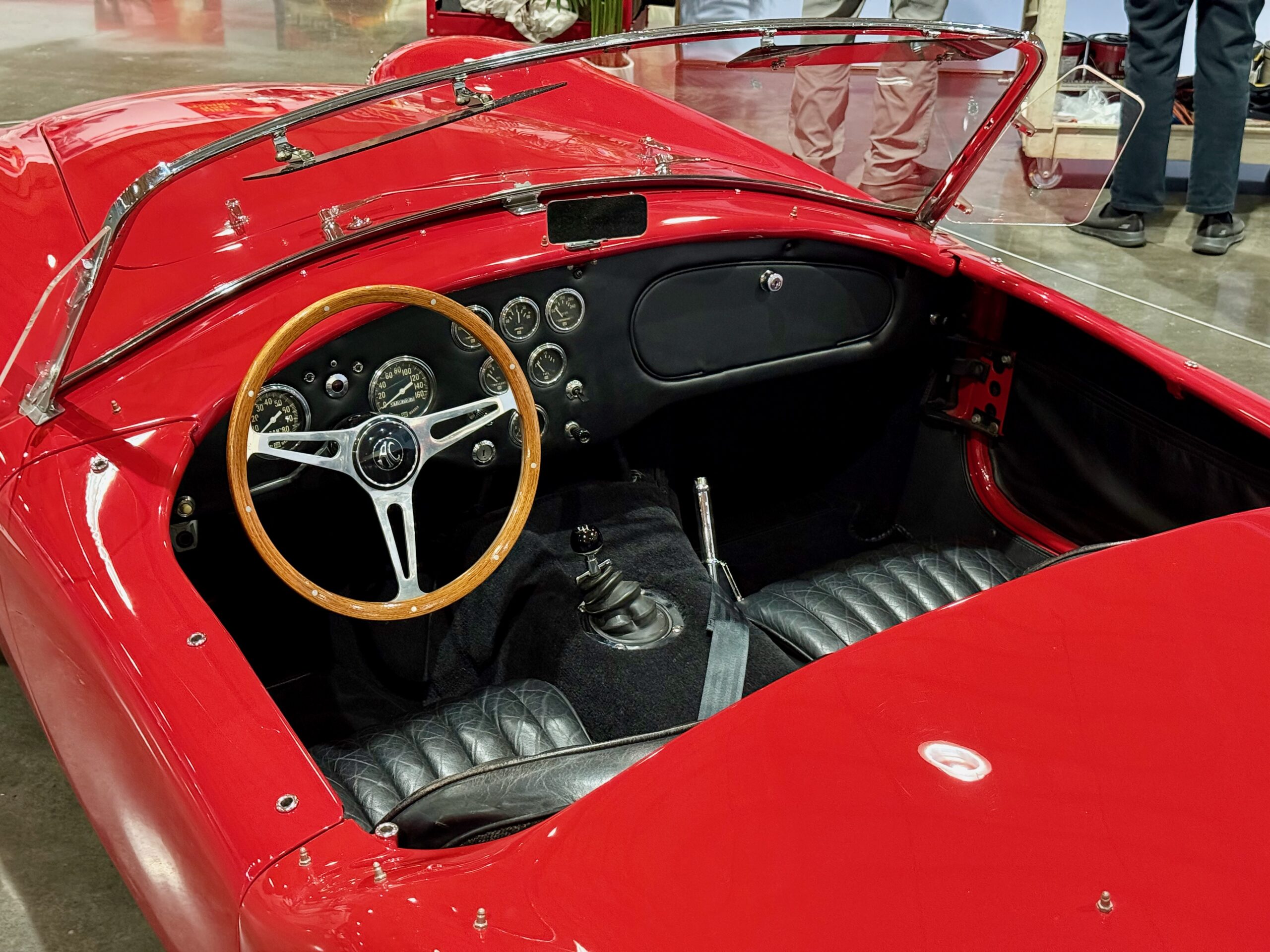
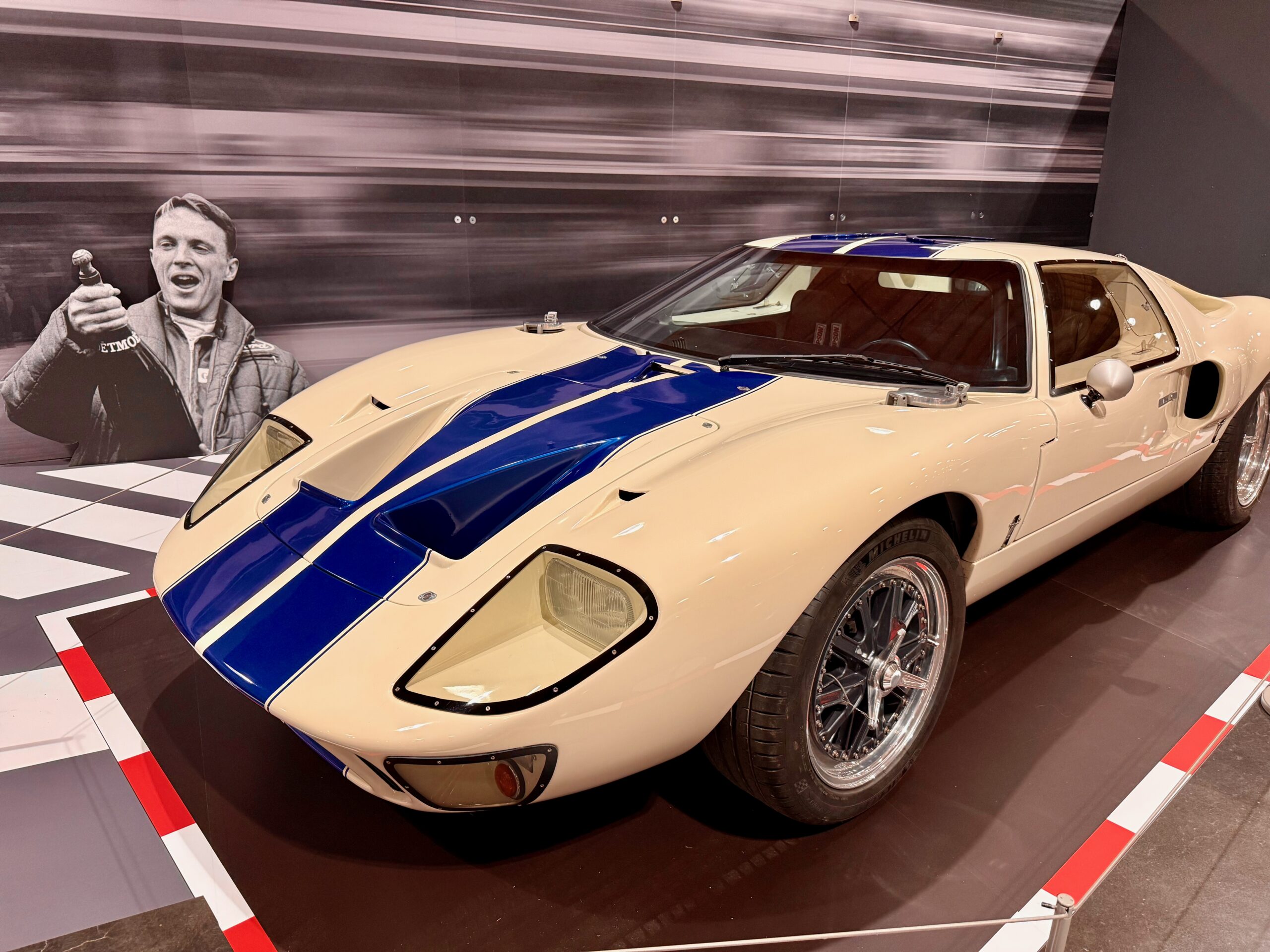
There are some moments of quiet beauty in the exhibit too. A 1960s Ford GT40, painted in Gulf Blue and Orange, sits in a corner like a museum piece in a cathedral. People don’t talk when they stand in front of it. They just look. And that, to me, is the exhibit’s greatest success: it balances the bombast of American horsepower with the stillness of admiration.
And yes, you can absolutely make a day of it. LeMay itself is worth the visit, even outside this exhibit. There’s a small café with surprisingly decent coffee, a gift shop where you can buy Hot Wheels versions of the cars you just ogled, and staff who are clearly just as geeked out as the guests. If you’re in Tacoma or anywhere within a reasonable drive, it’s an easy win for a weekend outing.

So no, I didn’t come home and trade in the SUV. But for one afternoon, I got to remember what it felt like to see a car and think, “Maybe someday.” And to see my son look at a Saleen S7 and say, “That thing looks like the future.”
Where: LeMay – America’s Car Museum, 2702 E. D St. Tacoma, WA 98421
When: Now open – through fall 2026
Tickets & Hours: Visit americascarmuseum.org
