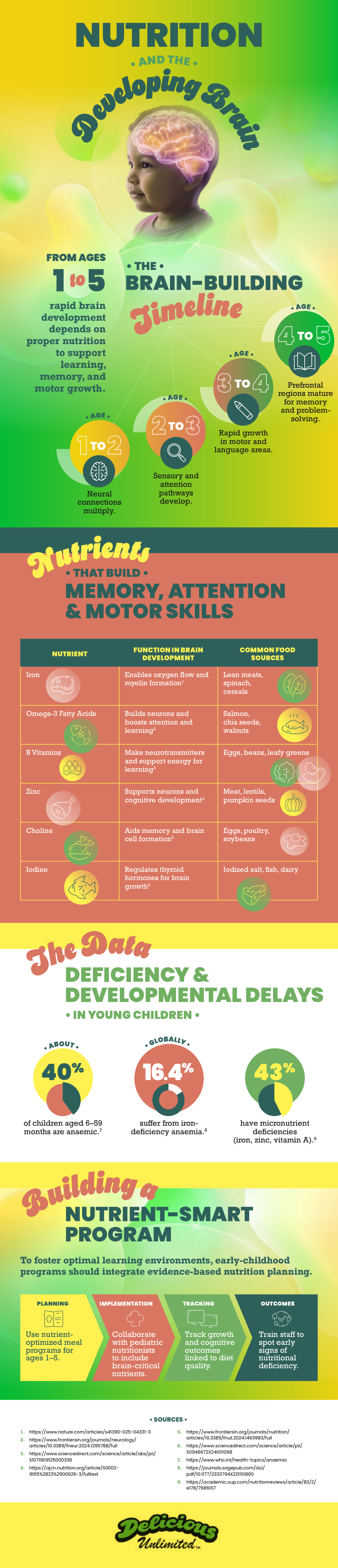
A child’s brain develops quickly during the early years. What they eat plays a direct role in how they think, learn, and feel. Good nutrition supports memory, focus, and emotional balance. Poor eating habits can make it harder for children to stay alert and engaged.
Key Nutrients for Brain Growth
Certain nutrients support brain function more than others. Healthy fats, such as those found in fish, nuts, and seeds, help build brain cells. Omega-3 fatty acids are especially important during early development.
Protein also plays a role. Foods like eggs, beans, and lean meats provide amino acids that support brain signals. Iron is another key nutrient, as it helps carry oxygen to the brain. Low iron levels can lead to fatigue and reduced focus.
Vitamins and minerals support daily brain activity. Fruits and vegetables provide nutrients that help protect brain cells and support long-term health.
The Role of Balanced Meals
Balanced meals help maintain steady energy levels. Children need a mix of carbohydrates, protein, and healthy fats throughout the day. This combination supports focus and helps avoid sudden drops in energy.
Skipping meals or relying on processed snacks can affect concentration. Sugary foods may lead to quick energy, followed by fatigue. Regular meals and snacks help keep the brain fueled for learning and play.
Building Healthy Eating Habits
Children develop habits early. Offering a variety of foods helps them become more open to new flavors. Repeated exposure can increase acceptance over time.
Family meals create structure and encourage better choices. When children see adults eating balanced meals, they are more likely to follow those patterns. Simple routines make healthy eating easier to maintain.
For busy families, planning ahead can help. Some parents use support from a food catering company to provide balanced meals during busy weeks, which helps maintain consistency.
Long Term Impact on Learning and Behavior
Nutrition affects more than physical growth. It also shapes how children behave and respond to challenges. Balanced diets support better mood and attention, which helps in school and social settings.
Poor nutrition may lead to difficulty focusing, lower energy, and mood changes. Over time, these issues can affect learning progress and confidence.
Supporting brain health through nutrition builds a strong foundation for future development. Small, steady choices can make a meaningful difference in how children grow and learn. For more information, look over the infographic below.